Four jobs we are asked to do most often: a same-night fill, a seasonal crew, a volume hire on a fixed fee, and cover when an HR manager leaves. Named client results go up when we have permission to publish numbers.
4Anonymised engagement types
60 minUrgent labour hire when the brief is clear
PeakSeasonal crews booked as a block
FixedRPO scoped as a fee, not a percentage
These are anonymised engagement types, not invented companies. Each one follows the same five parts: situation, constraint, what we did, result, and the brief we usually hear. When a client signs off a named study, it replaces the matching card.
Urgent labour hire
60 minScreened staff on site when the brief is clear
AucklandFood manufacturingNight shift
A packing line that could not wait until Monday
The situation
An Auckland food plant lost a forklift driver and two packers on a night shift. Product was already on the floor. The site contact needed people who already knew basic hygiene rules, not a Monday agency meeting.
The constraint
The shift started the same night. The site needed a current forklift ticket, clean PPE, and someone who could take a short induction without stopping the line. There was no time to train.
What we did
The 24/7 line took the role, site, start time and tickets. We screened from people already cleared for food sites, briefed PPE and gate process, and dispatched. If the first person had not been right, the first two hours would have been free.
The result
The line ran that night. The site kept a named contact for the next call-in. This is the job labour hire is built for — not a recruiting campaign. Food-site detail sits on food and beverage manufacturing.
“We needed people on the line that night, not a callback in the morning.”
Typical brief from an Auckland plant — not a named testimonial
PeakA crew held for the busy weeks, then stood down cleanly
Hamilton / WaikatoWarehousingSeasonal
A 3PL that knew the volume was coming
The situation
A Hamilton warehouse had a known peak: more pick-and-pack, more outbound, the same WMS. Permanent headcount would sit idle after the rush. They needed a crew they could scale up and stand down without a permanent hire freeze later.
The constraint
The first peak week was already in the diary. They needed store people who could work the system, plus forklift cover on the busiest days. A single no-show on a dispatch day would back up the yard.
What we did
We booked a block, not a one-off. Screening covered WMS basics, tickets and the site’s start window. A named coordinator held the roster so the site called one number, not twelve temps. Quiet days were stood down with notice, not billed as a full unused crew.
The result
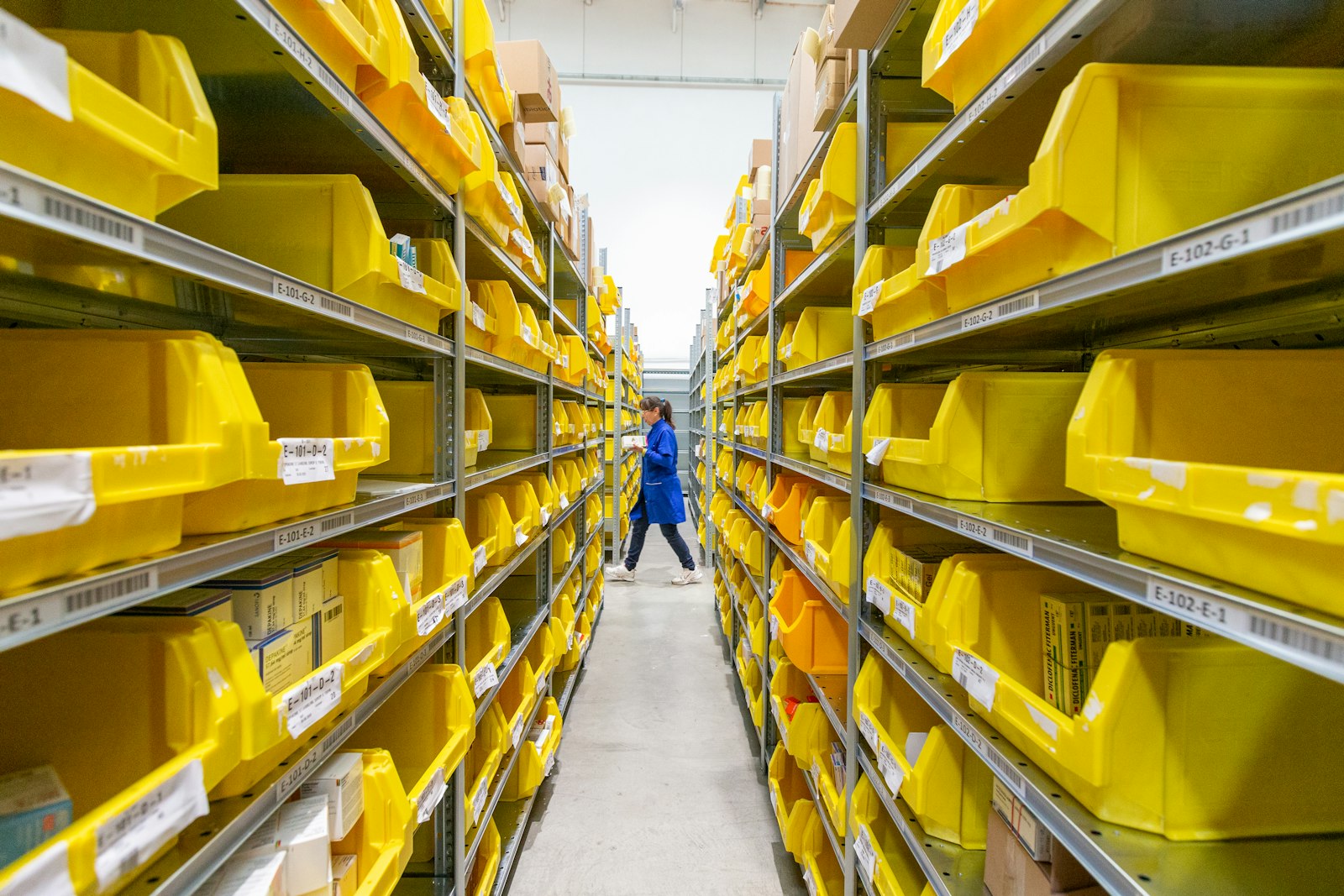
The peak weeks ran with a stable casual bench. When volume dropped, the block closed. That is seasonal labour hire, not RPO. Role detail is on warehouse staff and the sector page warehousing and logistics.
“Hold a crew for the peak. Do not leave us with a permanent wage bill in February.”
Typical brief from a Waikato warehouse — not a named testimonial
Twenty hires without building an internal recruiting team
The situation
A growing New Zealand SME needed a block of permanent and fixed-term hires — production and warehouse first, then a few office roles. They did not have an in-house recruiter, and they did not want to pay agency percentage fees on every person.
The constraint
The work had a start date. Hiring twenty people one-by-one through a traditional agency would have cost a large share of salary on each placement. They needed one process, one fee, and a team that already understood plant and warehouse hiring.
What we did
We ran it as RPO: scoped headcount, locations and weeks, then sourced and screened as an extension of their team. They kept the brand and the final yes. We ran the pipeline. The fee was fixed for the block, then re-quoted only if the brief changed.
The result
They got a hiring campaign without adding a permanent recruiter. Cost sat against a scoped fee, not a rising percentage invoice. How that model works is on recruitment outsourcing and RPO pricing. If you are still deciding whether RPO fits, read what is RPO.
“We need the hires. We do not need another 18 percent on every salary.”
On demandYour recruiting team for a defined stretch, then we leave
SMEHR coverFixed fee
The HR manager left. The vacancies did not.
The situation
An SME lost its HR manager mid-year. Live vacancies sat with line managers who still had a plant to run. They did not want a full-time replacement in the first month, and they did not want every role farmed to a percentage agency.
The constraint
Cover had to start quickly, last a defined period — often around three months — and hand back a clean pipeline. The business still needed ownership: we report to them, not to a retained-search process they cannot see.
What we did
We stepped in as on-demand recruiting cover. Live roles were scoped, advertised and screened. Line managers kept the interviews. We ran coordination, candidate care and the weekly status. When they hired a permanent HR person, or the burst ended, the engagement closed.
The result
Vacancies kept moving while they decided the permanent HR shape. They paid a fixed cover fee instead of stacking agency invoices. This is the SME use of RPO — short, owned, then gone. Start on recruitment outsourcing or talk to us.
“Keep hiring moving. Do not make us staff a full HR desk to do it.”




 Call 24/7