Screened staff on site in as little as 60 minutes. First two hours free if they are not right.
Screened staff on site in as little as 60 minutes. First two hours free if they are not right.

Short answers on speed, cost, quality, contracts, compliance and RPO. If you need staff today, call. Everything else can go in a request.
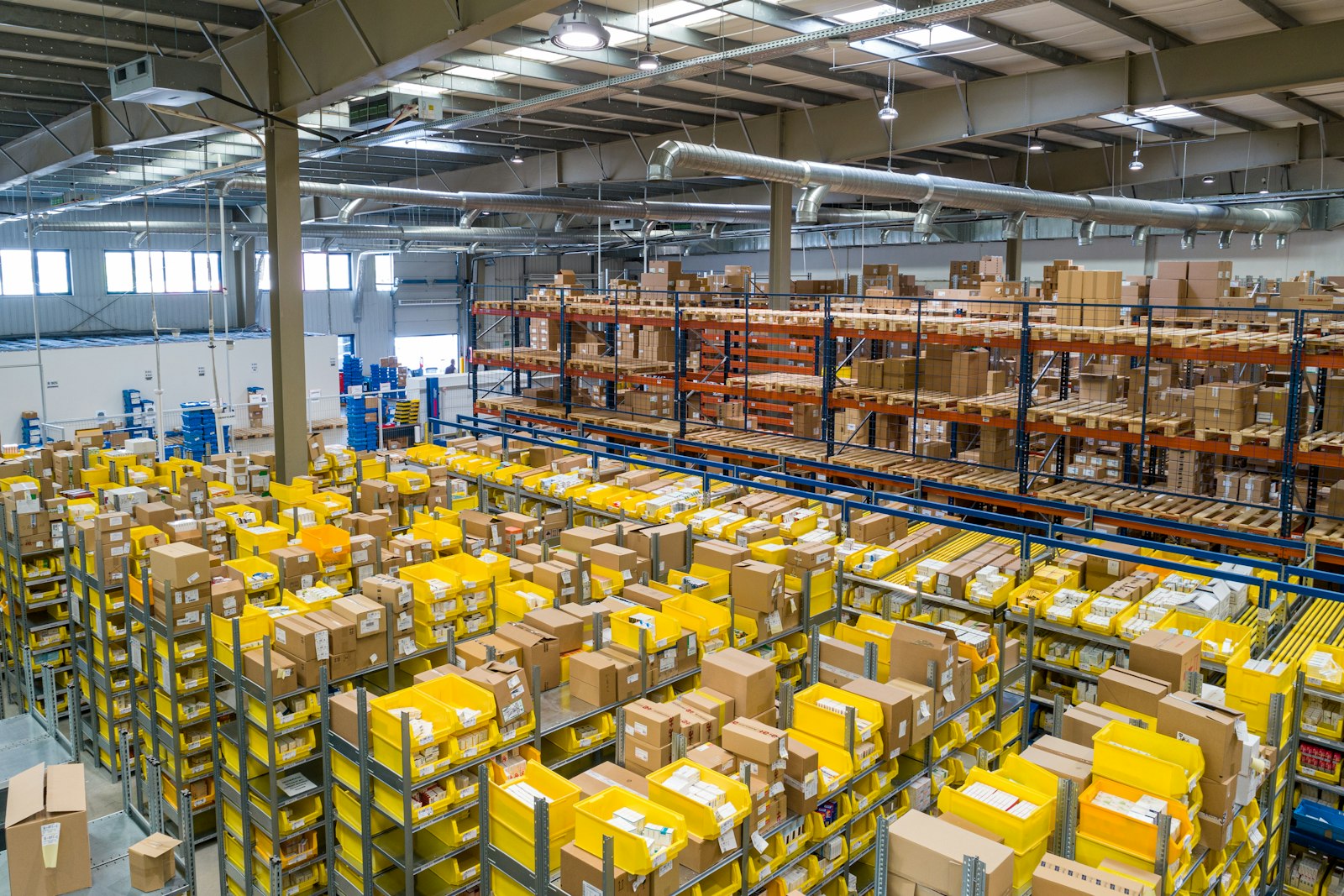
Placeholder. Replace with a photograph from an Auckland or Waikato site.
Every answer leads with 40–60 words you can quote on their own. Fuller treatments live on labour hire rates, the cost guide, RPO pricing and what is RPO — we still answer here, then link.
Need people on site today? Skip the accordion and call or send a request.
Screened staff can be on site in as little as 60 minutes for urgent Auckland and Hamilton cover, when the role and site details are clear. Most same-day requests are filled within a few hours. Planned or specialist roles take longer because we match tickets, shifts and site rules first.
The clock starts when we have the role, headcount, site address, start time and any licences. Call the 24/7 line if the shift starts today. For next-week or multi-site work, send a request and we brief you the same or next working day. Role-level lead times sit on the forklift, warehouse and production pages.
Yes. The 24/7 line is for shifts that start tonight or at dawn, including call-ins, no-shows and last-minute orders. We cover Auckland and Hamilton / Waikato. If we cannot fill the slot in time, we say so immediately so you can plan the line.
Same-day work needs a reachable site contact and a clear start window. Food, pharma and forklift sites must tell us the tickets and induction rules up front. We do not promise a name before we have screened the person for that site.
Most bookings are a single shift or a short block of shifts. We do not force a long exclusive contract to get cover. Very short call-outs can carry a minimum billed period so travel and screening are covered. We confirm that minimum before anyone is dispatched.
Seasonal surges, new lines and multi-week cover are booked as a block with a named site contact. If you are comparing options, the commercial model is on labour hire rates.
The charge-out rate covers the worker’s wage, ACC, KiwiSaver and leave loadings where they apply, plus screening, payroll and our margin. You are not adding those on top. Overtime, nights, weekends and public holidays follow the award or agreement for that role and are priced before the first shift.
Site allowances, specific PPE or medicals sit outside the base rate when the site requires them. We itemise those on the confirmation. For a worked build-up from base wage to charge-out, use the labour hire cost guide.
If the person we send is not right for the work, the first two hours are free. Tell the site contact as soon as the problem is clear. We stop the clock, pull the person and send a replacement when we can. The guarantee is for fit and basic competence on that job, not for a change of mind about headcount.
It does not cover a role that was described incorrectly, a site that was not ready, or a cancellation after dispatch. We still want the call. A clean brief is what makes the guarantee usable.
Cost follows the role, shift pattern and loadings, not a single published number. A weekday warehouse or production rate is built from the relevant minimum plus on-costs. Forklift, nights and food-site work sit higher because tickets and penalties do. We quote the job, not a generic brochure rate.
If you want the commercial model, start with rates and pricing. If you want to understand how the industry prices, read how much labour hire costs in NZ.
Every person is pre-screened for the role before we send them. That means work rights, the licences the site named, a work history check, and a briefing on start time, PPE and site rules. Forklift, food and warehouse roles get the extra checks those sites actually use, not a generic form.
We do not send a CV and hope. If a ticket is expired or a site induction is still outstanding, they stay off the roster. Tell us the WMS, allergen, hygiene or equipment rules in the first call so screening matches the floor, not a job ad.
Call us as soon as it is obvious. We apply the first-two-hours guarantee, remove the person and work a replacement. You should not have to manage a poor fit through a full shift. We want the same call if the brief was wrong, so the next person is matched to the real work.
Repeated issues on one site usually mean the brief, the shift pattern or the tickets need a reset. We would rather stop and rewrite the spec than keep sending the same mismatch.
Give us as much notice as the shift allows. Same-day changes are possible, but once someone is travelling or on site, a minimum billed period can apply. Planned blocks should be reviewed the day before. We confirm notice rules on the booking so there are no surprises on the invoice.
If volume is dropping mid-week, tell us early. We would rather stand people down cleanly than send a full crew to an empty line.
If you hire one of our temps into a permanent or fixed-term role, a conversion fee applies. It is set out in the client terms before the first shift, not invented after you like someone. The fee reflects the screening and introduction. It is not a percentage placement fee on a full salary package.
Temp-to-perm is common on production and warehouse sites after a busy season. Ask for the conversion terms when you brief us if that is a likely path. RPO is the better model when you already know you need permanent headcount at volume.
Both parties carry duty. You control the workplace, plant, supervision and site rules. We share duty as the employer of the worker: screening, information and a fit person for the task we were briefed on. Putting agency staff on a line does not move health and safety off the host employer.
That split is why the brief matters. If the work changes — a different machine, a night shift, a food-risk area — tell us before they start. More on how we work sits on About. This is not legal advice; your own H&S process still applies.
Triangular employment is when a person is employed by one business and works under the control of another. In labour hire, we are the employer. You direct the work on site. New Zealand law still gives that person protections against unjustified action by the host, so site decisions about hours, tasks and treatment carry real weight.
In practice: brief the role honestly, induct them, and raise issues with us instead of sending someone home without a call. We handle employment process. You handle the workplace. That is the model we run in Auckland and Hamilton.
RPO means we run hiring as an extension of your team for a defined period or volume, on a fixed fee, instead of charging a percentage of salary per placement. It is built for SMEs that need 10, 20 or more hires, seasonal campaigns, or cover when an HR manager leaves — not for enterprise outsourcing programmes.
You keep the brand and the final decision. We run sourcing, screening and coordination. If you want the category explained, including when RPO is the wrong tool, read what is RPO. The service itself is on recruitment outsourcing.
We price RPO as a fixed, scoped fee for the work, not a percentage of each salary. That is why the cost can sit at or below an internal hire for a burst of recruiting. A traditional agency invoice grows with every placement. Ours does not, once the scope is agreed.
Scope is headcount, roles, locations and time. If the brief changes, we re-quote the block rather than adding silent extras. Commercial detail is on RPO pricing. Labour hire remains the right product when you need people on site this week, not a hiring campaign.
Call if the shift starts today. Use the form for a labour hire brief or an RPO scoping call. Auckland and Hamilton, 24/7.

 Call 24/7